ServicesKids' Dentistry
Kids' Dentistry in Hopedale
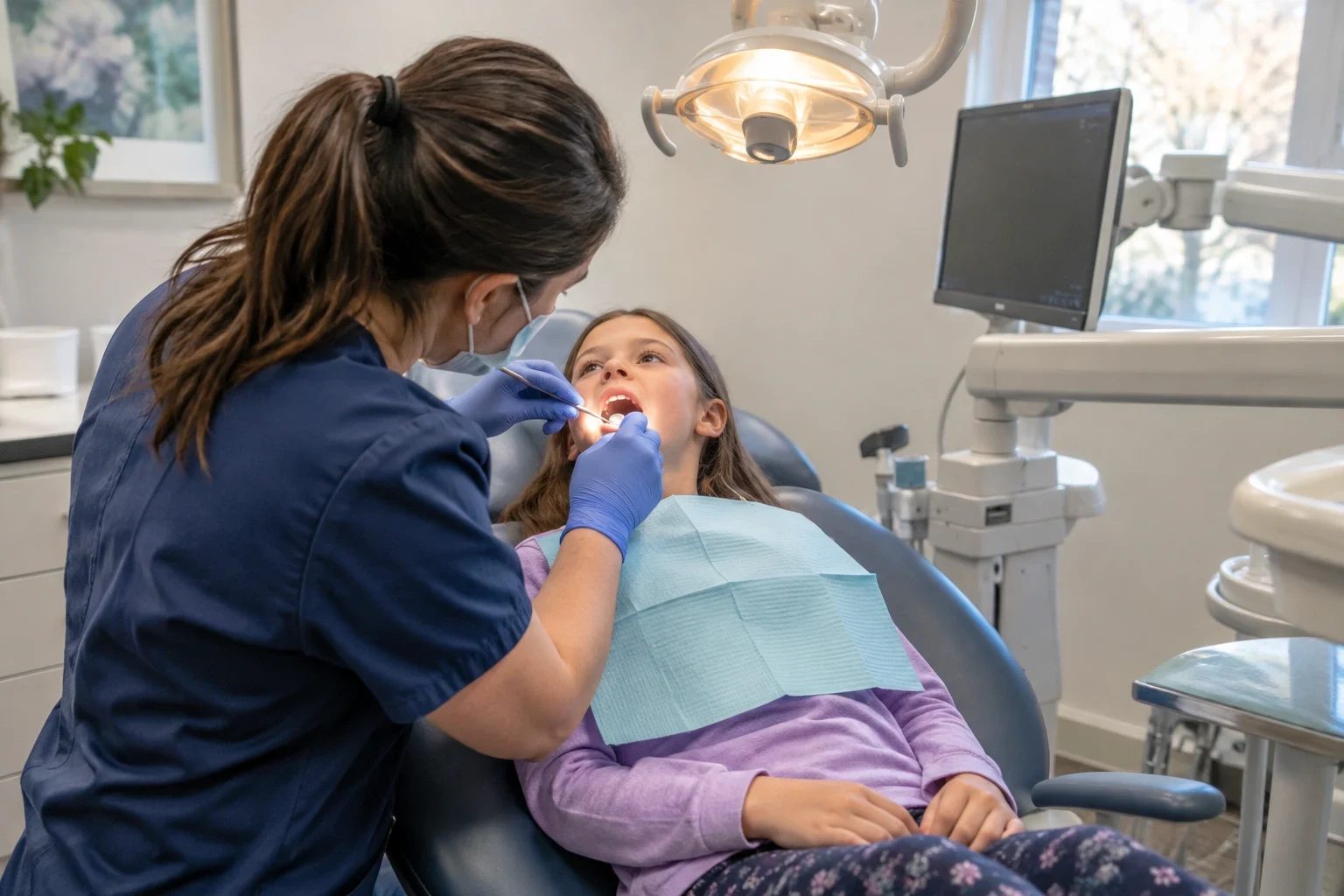
We see children from their first tooth through the teen years, at a pace that keeps them comfortable. When something hurts, we find out why before we treat it, so your child gets the right fix once and you leave knowing exactly what we saw.
Dental care built around how kids actually feel
Kids' mouths never sit still for long. The enamel on primary teeth is thin, so decay that starts small can travel to the nerve in a matter of months. Fresh molars arrive with deep grooves where food likes to hide. The bite keeps shifting as the jaw grows. We keep pace with all of that so problems get caught while they are still minor.
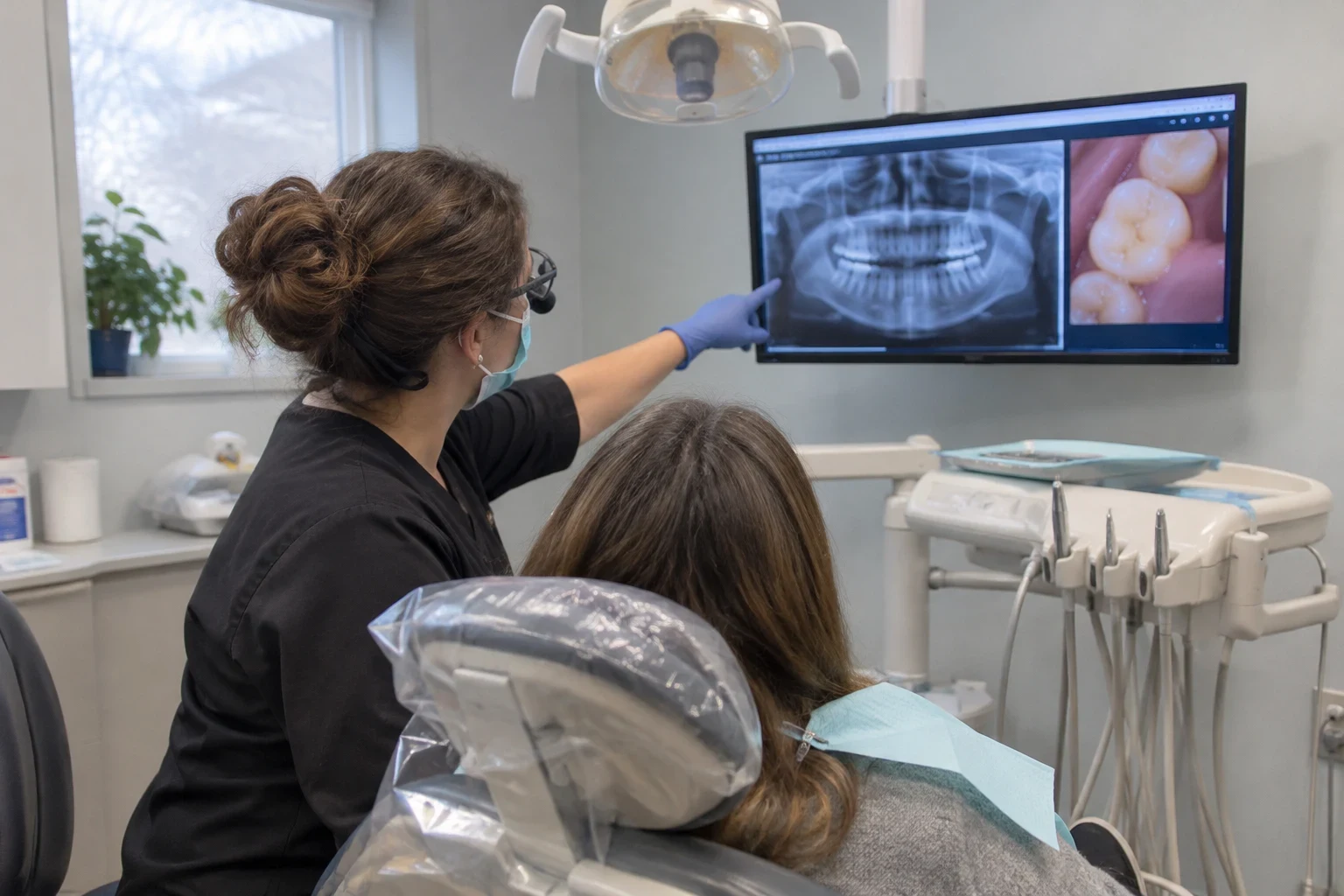
When your child says a tooth hurts, the sore spot is not always the source. Pain can come from a cavity between teeth, a molar pushing through, a cracked filling, or even a sinus cold. We look, test and take an x-ray only when it will answer a real question. Then we tell you what we found in plain words and show you the picture.
Families come to us from Hopedale and nearby towns like Milford, Mendon and Upton. Parents are welcome in the room, and nothing happens without your okay.
What a kids' visit can include
- Gentle exam and cleaning
- We count teeth, check gums and look at how the bite is coming together. A light cleaning removes plaque and stain, and we show your child where the brush keeps missing.
- Fluoride varnish
- A quick painted coat that helps strengthen soft spots in enamel. It takes about a minute and there is nothing to rinse or swallow.
- Sealants on back teeth
- A thin protective coating over the grooves of permanent molars, where most childhood cavities start. No drilling or numbing is needed.
- Cavity care
- Small cavities get tooth-colored fillings, with numbing that we explain to your child step by step. If a baby tooth is too damaged to save, we talk you through extractions and what comes next for spacing.
- Growth and bite checks
- We watch for crowding, crossbites and adult teeth coming in behind baby teeth. If clear aligners like Invisalign may help later on, we will tell you when it is worth a closer look.
Signs your child should see us soon
Complaints about a sore tooth
Even vague pain while chewing is worth checking. Kids often point to the wrong tooth, which is why we test before we treat.
White, brown or chalky spots
A dull, chalky band along the gumline is usually decay in its earliest form. When we spot it at that point, fluoride can sometimes reverse it so no filling is needed.
Wincing at cold drinks
Sensitivity can mean a cavity, worn enamel or a gum problem. Each one has a different fix.
Adult teeth coming in behind baby teeth
Sometimes called shark teeth, this is common around age six. Usually the baby tooth loosens on its own, but if it stays put we can help it along.
Bleeding gums or lasting bad breath
These often point to plaque buildup along the gumline. A cleaning and a few brushing tips usually turn it around.
What shapes the cost of your child's care
A routine checkup and a filling are priced very differently, so your total comes down to what your child actually needs. Before we start any treatment, we go over each item with you. If something unexpected comes up partway through, we stop and ask you before going further.
Your dental insurance
We accept most dental insurance plans, and many of them cover children's checkups, cleanings and sealants generously. Before treatment begins, we go through your benefits with you so you have a fair idea of what the plan should cover and what may be left over.
What the exam turns up
A checkup with healthy teeth costs less than one that finds cavities. Catching decay early usually means a smaller, simpler fix.
X-rays and extra tests
We only take images when they answer a real question, so not every visit includes them.
Families without coverage
There are two ways to keep care affordable. Our Office Dental Plan for patients without insurance covers routine visits, and larger treatment can be paid over time with the CareCredit Patient Payment Plan.
How your child's appointment works
- 1
A phone call to set things up
Tell us your child's age, any worries and whether this is a first visit. We will pick a day and time that suits your schedule and mention anything to have ready, such as an insurance card if your family has coverage.
- 2
Settling in
We start slowly. Your child can sit in the chair, try the mirror and see the tools before anything goes in their mouth. Nervous kids get extra time.
- 3
Looking for the cause
We examine each tooth, check the bite and gums, and take x-rays only if they will tell us something we cannot see. If there is pain, we test nearby teeth too so we treat the right one.
- 4
Talking it through with you
We show you what we found, explain your options and give you a written treatment plan with costs. You decide what to do and when.
Questions parents ask about kids' dentistry
When should my child have their first dental visit?
Plan on it by the first birthday, or within six months of the first tooth coming in. The visit is short and gentle. Mostly we check for early decay and show you how to clean very small teeth.
Can I stay in the room with my child?
Yes. Younger kids usually settle faster with a parent nearby, and you will hear everything we explain. Some older kids prefer to go solo, and that works too.
Why fix a cavity in a baby tooth that will fall out anyway?
Some back baby teeth stay in place until age 11 or 12. Untreated decay can cause pain and infection, and it can affect the permanent tooth developing underneath. If a tooth is already loose and close to coming out, we may suggest watching it instead, and we will tell you why.
My child gets very nervous about dental visits. How do you handle that?
Nervous kids set the pace here. We name each tool before it goes near their mouth, show how it works and stop whenever they need a break. Sometimes a first visit is nothing more than a look and a tooth count. Trust built early makes every visit after it go more smoothly.
How often does my child need x-rays?
That depends on how likely they are to get cavities. A child with healthy teeth and steady brushing habits needs them less often than one who has had several cavities. We decide for each child and explain the reason every time.
Give your child a good start at the dentist
A calm first visit sets the tone for years of checkups. We will look carefully, explain what we see and help you plan the next step.